Back to Amphibians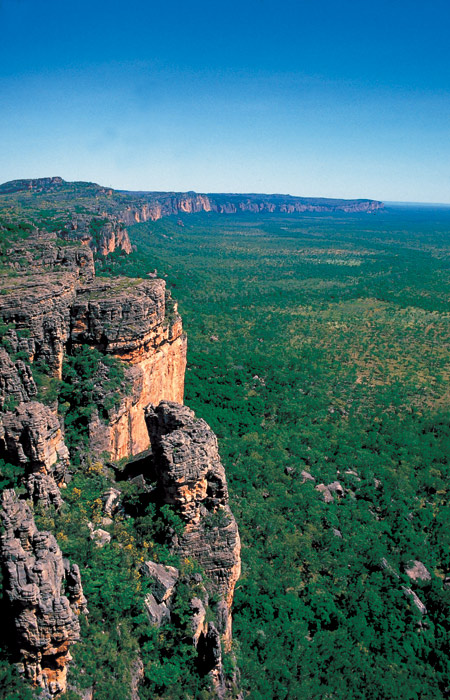

Amphibian Fact Sheet
White's Tree Frog
LC· Least ConcernRanoidea caerulea
Warm, humid woodland, swampy forest and rainy suburban gardens.
Fact Sheet
About this animal
Key facts about the white's tree frog.
Common Name
White's Tree Frog
Scientific Name
Ranoidea caerulea
Classification
Amphibia • Anura • Pelodryadidae
Distribution
Northern and eastern Australia and southern New Guinea.
Habitat
Warm, humid woodland, swampy forest and rainy suburban gardens.
Range map · red pin marks a typical locationView larger map
Lifecycle
Eggs are laid in still water; tadpoles hatch in a few days and change into froglets after about 6 weeks.
Diet
Insectivore: moths, crickets, cockroaches and other invertebrates. Big adults occasionally eat small frogs or mice.
Size
About 10 cm (4 in); females bigger than males.
Lifespan
10–15 years, sometimes over 20 in human care.
Conservation Status
LC· Least Concern
Least Concern — common across its range.Behaviour
Nocturnal, slow-moving and famously calm. Males call with a low 'crawk' from trees after rain.
Adaptations
A waxy skin coating cuts water loss so it can live in drier places than most tree frogs. Sticky toe pads grip smooth leaves and glass.
Predators
Snakes, birds, monitor lizards and introduced cats.
Interesting Facts
- Also known as the 'dumpy tree frog' because of its plump, sleepy look.
- Its skin makes chemicals that scientists study for possible new medicines.
Photo: Wikimedia Commons (CC BY-SA) · Habitat: Kakadu wetland woodland, Australia — Wikimedia Commons