Back to Amphibians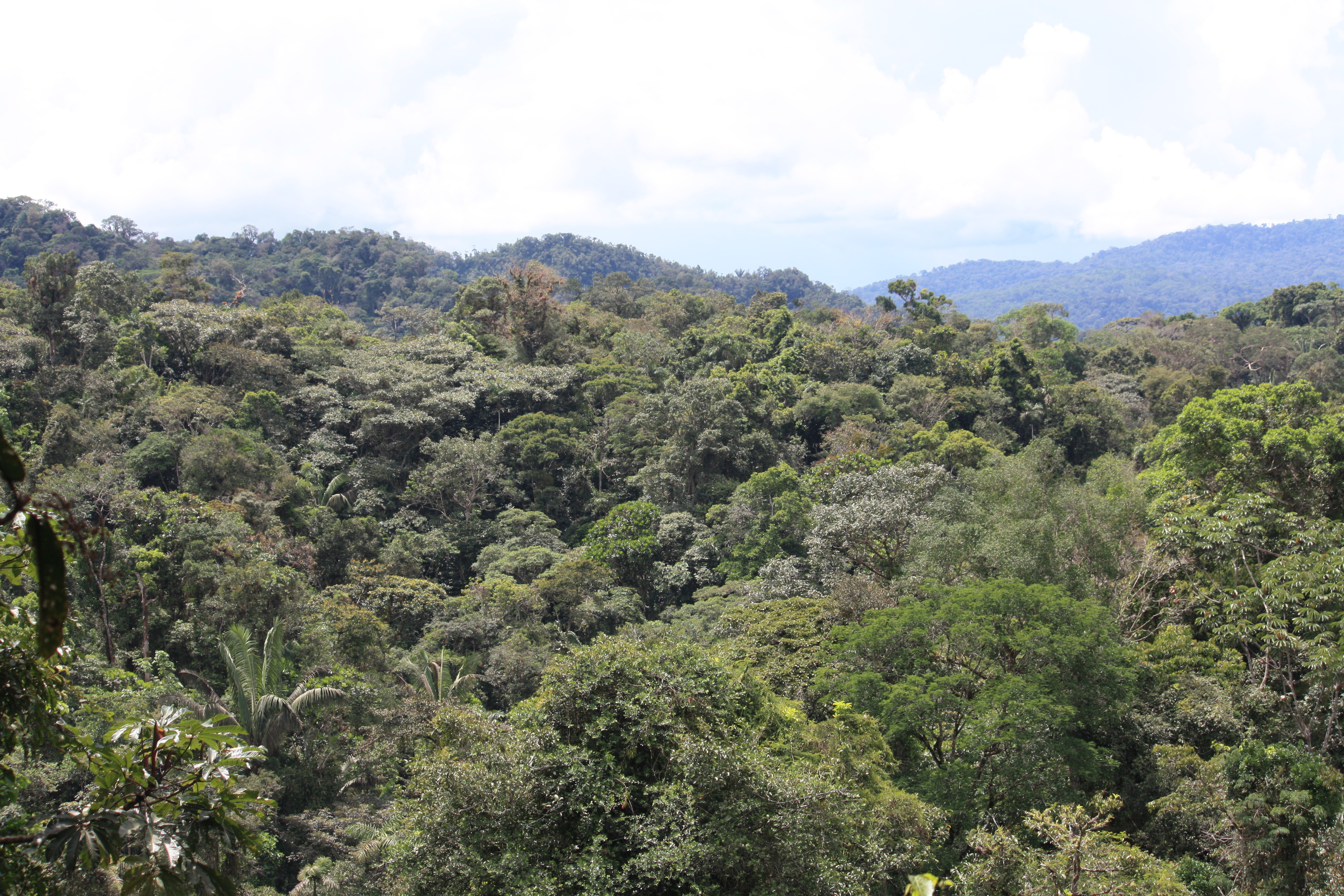
Amphibian Fact Sheet
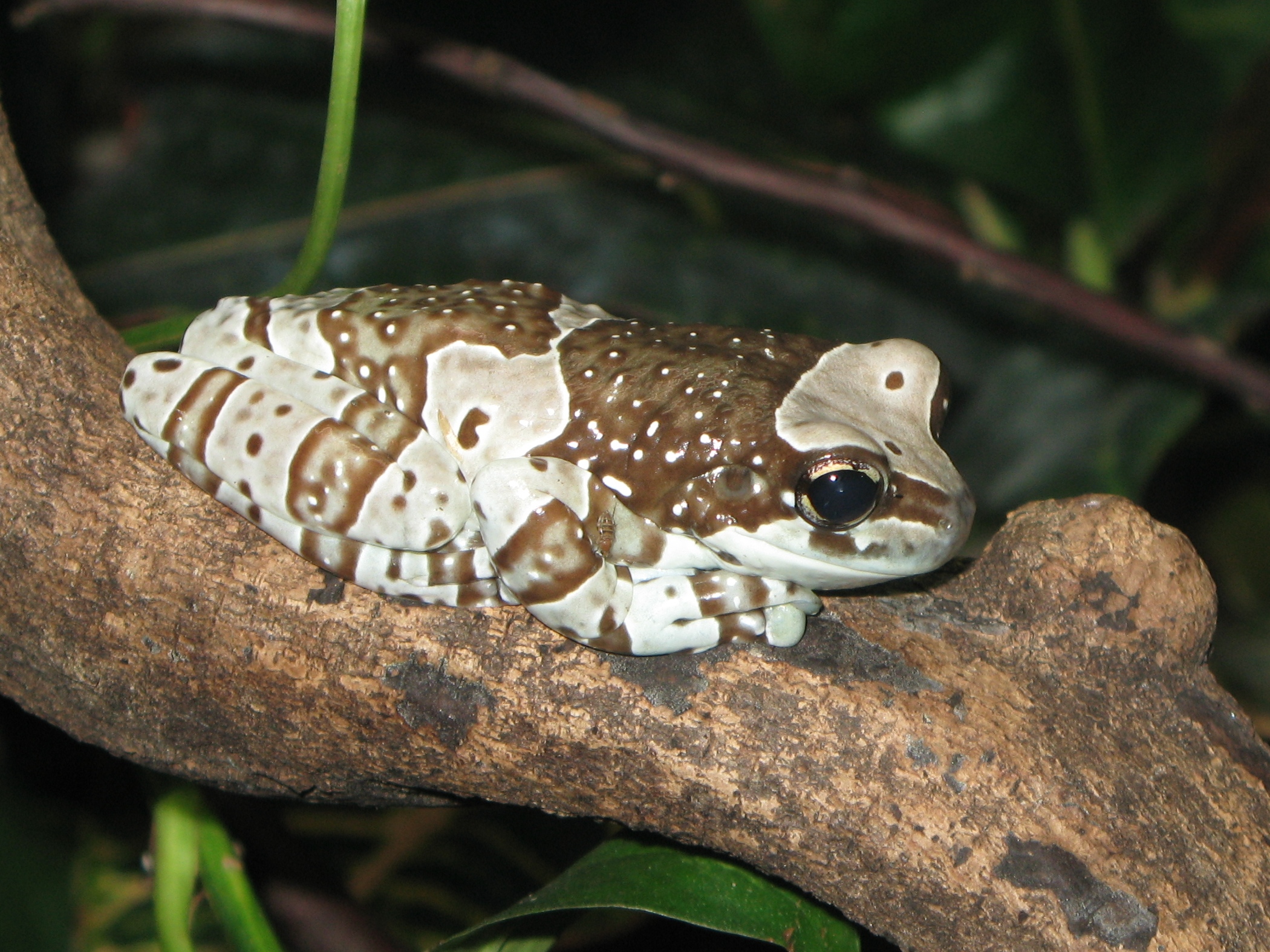
Amazon Milk Frog
LC· Least ConcernTrachycephalus resinifictrix
Humid tropical rainforest canopy, breeding in water-filled tree holes.
Fact Sheet
About this animal
Key facts about the amazon milk frog.
Common Name
Amazon Milk Frog
Scientific Name
Trachycephalus resinifictrix
Classification
Amphibia • Anura • Hylidae
Distribution
Amazon basin — Brazil, Peru, Ecuador, Colombia and neighbouring countries.
Habitat
Humid tropical rainforest canopy, breeding in water-filled tree holes.
Range map · red pin marks a typical locationView larger map
Lifecycle
Eggs are laid in pools inside trees; tadpoles develop in the same water hole and change into froglets after about 2 months.
Diet
Insectivore: crickets, moths, beetles and other insects caught at night.
Size
6.5–10 cm (2.5–4 in).
Lifespan
About 8–10 years.
Conservation Status
LC· Least Concern
Least Concern.Behaviour
Nocturnal and arboreal — rarely comes down to the ground. Males call from tree holes to attract females.
Adaptations
When threatened, it oozes a milky, sticky fluid from its skin that tastes bad to predators. Large sticky pads help it grip in the canopy.
Predators
Snakes, birds and larger tree frogs.
Interesting Facts
- Named after the milk-like defence fluid its skin can release.
- Spends nearly its whole life 20+ metres above the forest floor.
Photo: Wikimedia Commons (CC BY-SA) · Habitat: Amazon rainforest canopy — Wikimedia Commons